
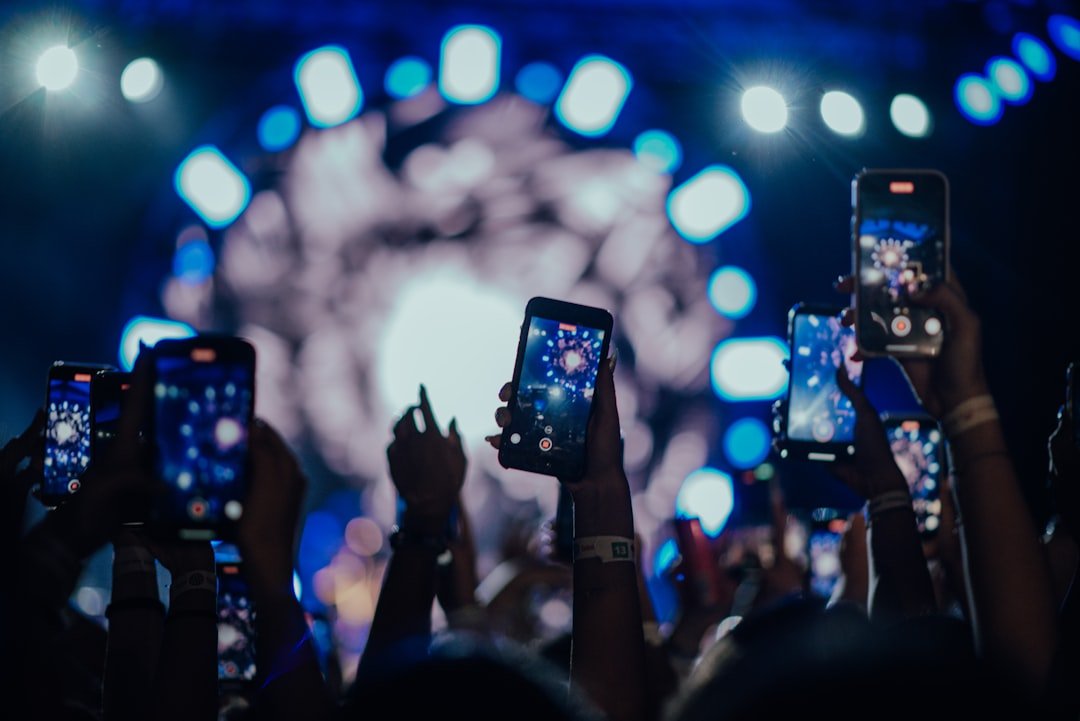
The no phone policy nightclub trend has quietly graduated from boutique experiment to something that looks a lot like a genuine cultural shift. New data from Eventbrite, drawn from platform activity across 2024, 2025, and Q1 2026, shows phone-free events have grown 567% globally. In the United States alone, attendance at these events climbed at a rate of 913%. Eventbrite tracked this by monitoring hosted events that included phone-free terminology in their title or description, with the full analysis published in April 2026.
For anyone who has spent time in the rooms where house and techno actually live, this will read as overdue rather than surprising. The underground has been arguing for years that the camera changes the energy. Not as a puritanical rule, but as a practical truth: when someone is angling for a clip, they are not dancing. The rest of the floor feels it. The analog nightlife movement that serious promoters have been quietly building around this idea has now found a much wider audience, and the numbers confirm what the dance floor already knew.
What makes the Eventbrite figures significant is the demographic behind them. Among the 18 to 35 cohort, 49% said they want events to feel less curated and more real, and 79% said they value spontaneity over a perfect plan. These are not people who have given up on going out. They are people who want to go out without the performance layer that a phone creates. That appetite lines up precisely with what a good underground rave phone rules policy has always been about: making space for something that cannot be captured or shared, only experienced.
The screen fatigue driving this is measurable beyond the dance floor. A separate survey of 2,000 Americans commissioned by ThriftBooks and conducted by market analysis firm Talker Research found that 25% of respondents felt overwhelmed by their digital consumption, 22% described it as a source of anxiety, and 19% said too much screen time left them unsatisfied with their lives. The figure that lands hardest is this one: 70% of time spent online leads to loneliness rather than authentic connection, on average. Against that, 84% of Americans said they are actively turning to analog habits to improve their well-being.
Screen-free dance events were once a niche ask that promoters had to justify to nervous venue bookers. Now they are a documented market trend. The conversation has shifted from whether audiences will accept the restriction to whether the restriction is even a restriction at all. For the people buying tickets specifically to escape the feed, surrendering the phone at the door is the whole point of the ticket. That is not a compromise. That is the offer.
Generations of club culture have defined themselves by what they refused. This particular refusal, quiet, undramatic, expressed through a Yondr pouch or a hand-written door policy, might be the one that actually sticks.