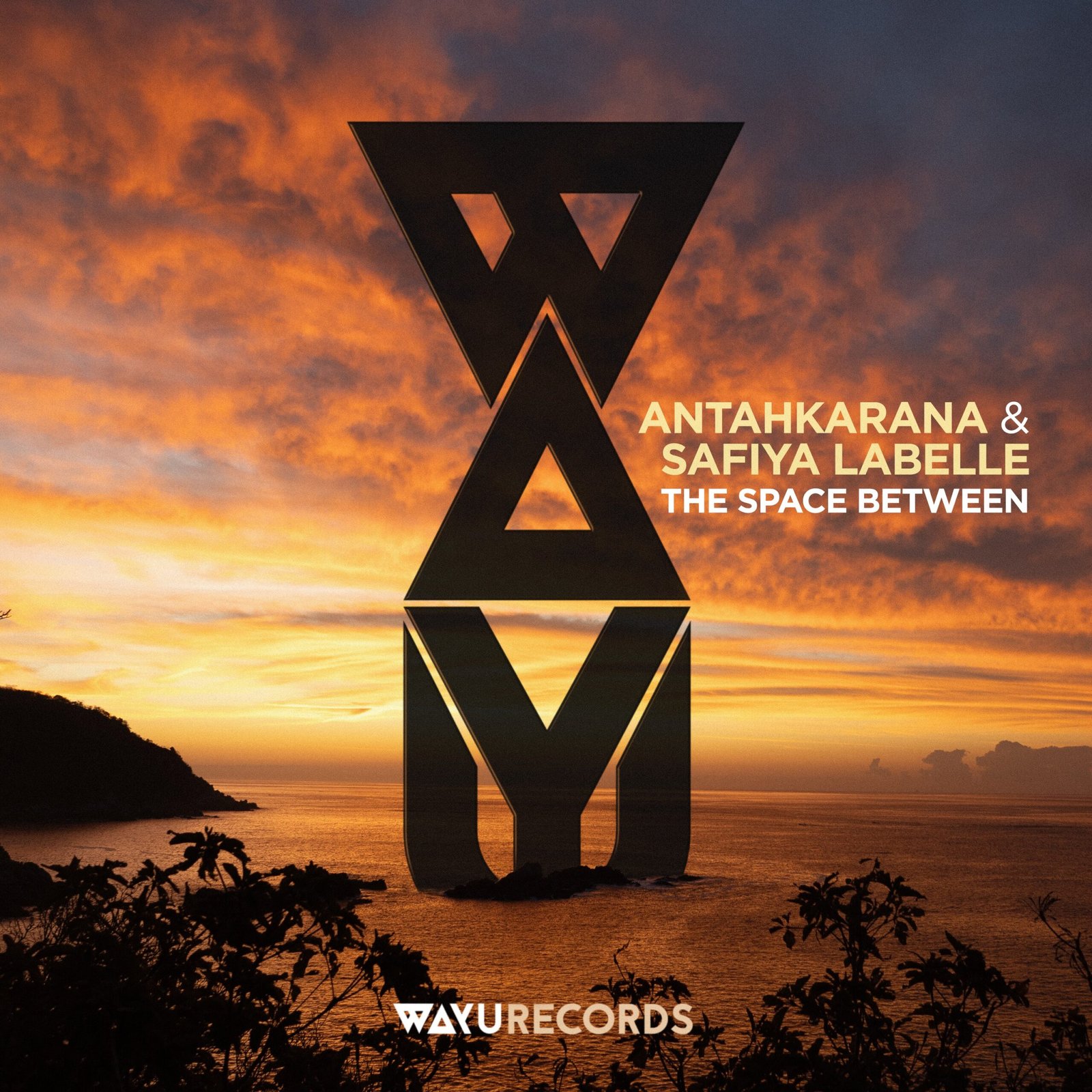
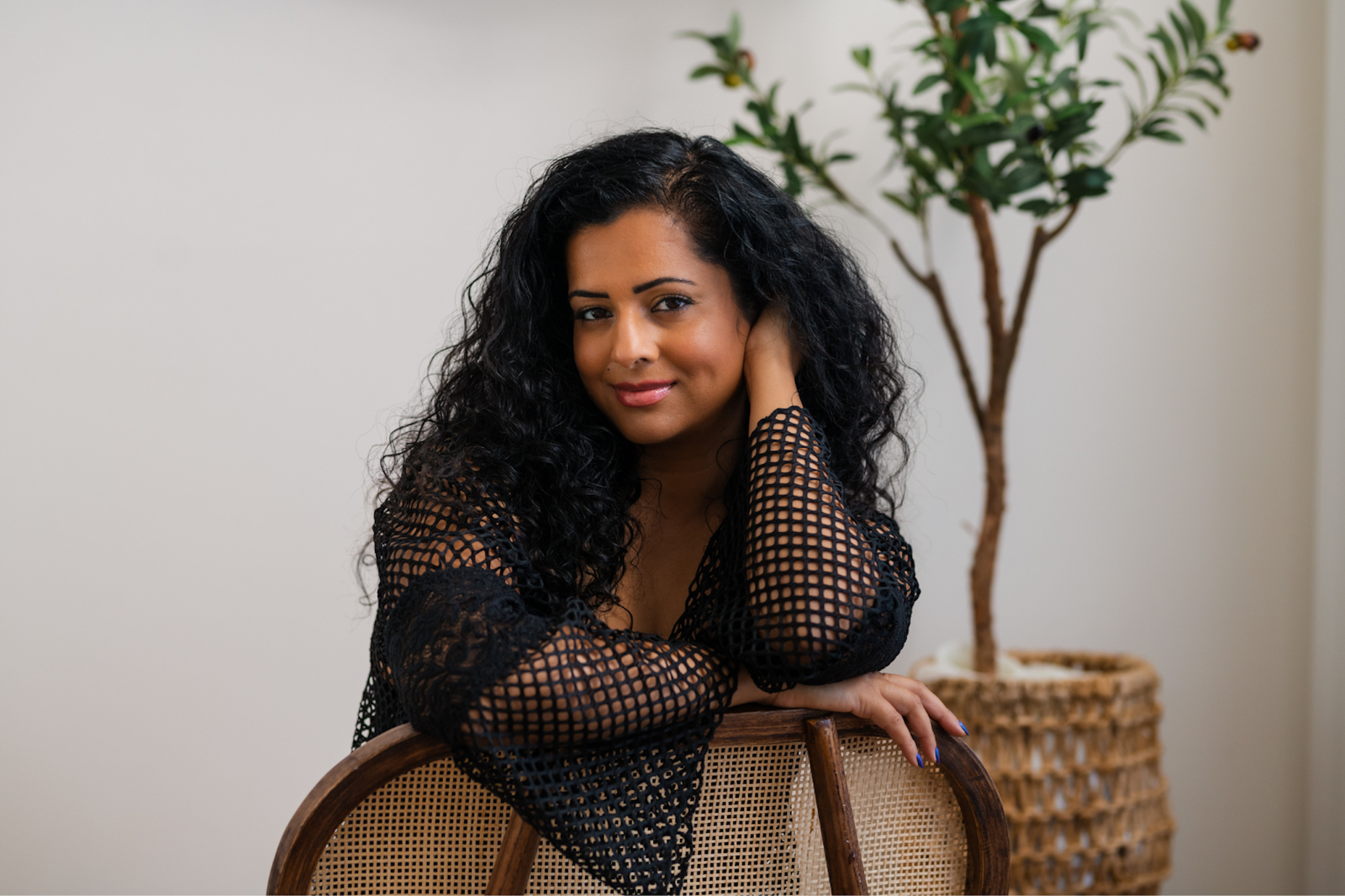
Canadian producer and DJ AntahKarana has spent years building a musical world around atmosphere, immersion and journey. Her name comes from a Sanskrit word meaning “Rainbow Bridge”, reflecting the connection between inner and outer worlds that she looks for in music. Introduced to House and Techno through the rave scene in Ontario while studying architecture, she went on to host events at the Planetarium in Vancouver and perform at the Vortex Media Immersion dome in Los Angeles, before moving into production. Now, she teams up with singer and songwriter Safiya Labelle for ‘The Space Between’, a two track EP released on WAYU Records on 25th September, featuring the reworked ‘First Light Rekindled’ and the original collaboration ‘Already Know’. We spoke with AntahKarana about her journey, her evolving sound, the way she approaches collaboration and the story behind the release.
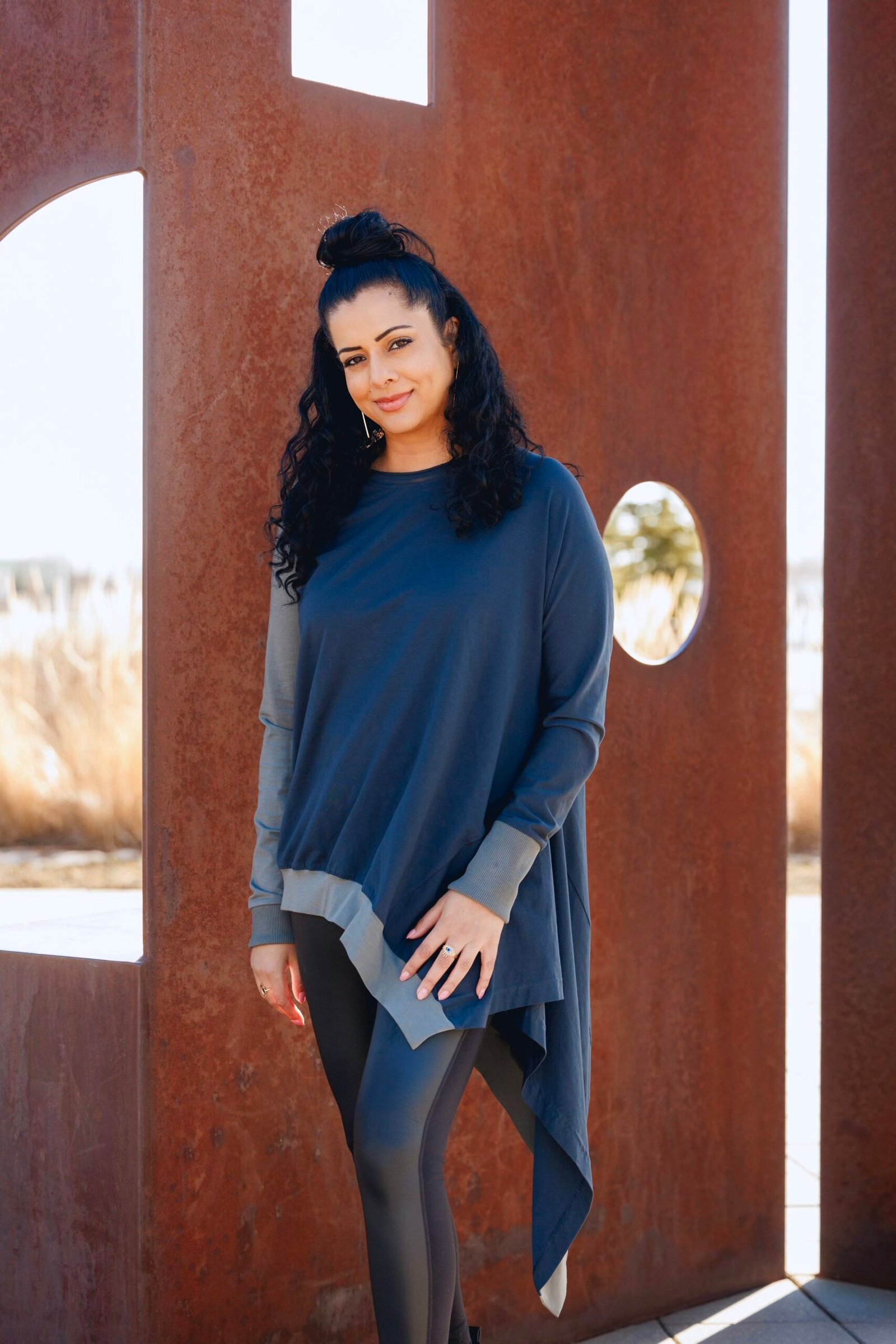
Can you tell us a little about your journey through music and how you first found your way into production and DJing?
I fell in love with house and techno long before I ever imagined myself behind the decks. Eventually I taught myself how to DJ, went to DJ school, and somewhere along the way it became much more than something I was doing for fun.
My original DJ name was actually ‘Rainbow Bridge’. That didn’t last very long because people either thought I was somehow sending dogs to heaven through music or they would call me Rainbow Brite by mistake.
Then a friend introduced me to the word Antahkarana, which translates from Sanskrit as “Rainbow Bridge.” The meaning really resonated with me in this idea of a bridge between the inner and outer worlds. That has always been a big part of what music is for me. I want it to take you somewhere internally, not just make you move.
That led me to hosting events at the Planetarium in Vancouver, Canada, combining electronic music with immersive visuals, and later performing at the Vortex Media Immersion dome in Los Angeles. I was really interested in creating an experience rather than simply having people watch a DJ play.
I was later invited to create a mix for a podcast in Spain, and the response opened the door to creating mixes for podcasts and platforms around the world. I think that’s where the journey-based side of my DJing really started to develop.
Production came a little later. At a certain point everyone, their mom and probably their hamster was becoming a DJ, and I thought, okay, it’s time to go deeper.
I’m so glad I did. Production gave me another way to express myself. I think of making music almost like creating an art piece on canvas, except I’m working with sound, texture, rhythm and space. I absolutely love that process.
Were there any particular artists, genres, places or musical experiences that had a major influence on the sound you developed over time?
In my earlier years, I was introduced to house and techno through the rave scene in Ontario, Canada. I was studying architecture at the time, and electronic music opened up this completely different world for me. I was already a very visual and creative person, and I think there was something about the layers, atmosphere and environment of electronic music that really drew me in.
Over the years, experiences like Burning Man and ADE have had a big influence on me as well. Being immersed in the music and experiencing so many different artists and sounds definitely shaped what I’m drawn to.
I’ve always loved music that creates atmosphere and takes you somewhere. Whether it’s house, techno, organic or more minimal sounds, there has to be something underneath it that makes me feel something.
Your music often brings together organic textures, rhythmic elements and a strong sense of atmosphere. How would you describe the evolution of your sound?
I feel like my sound is still evolving because I’m still evolving as a person.
At the core, I see myself as an artist, so what I’m making tends to reflect whatever I’m curious about or experiencing at that point in my life. I don’t necessarily sit down and think, “I’m going to make this genre today.” Usually I’ll find a rhythm, texture or sound that catches me, and then I follow it.
Earlier on, I intentionally brought more of my South Asian influences into my productions because I wanted that part of me represented in the music. I still love those sounds and they’ll always be part of my musical vocabulary, but lately I’ve felt less of a need to intentionally place them there.
My sound seems to be moving somewhere else now, more stripped back, hypnotic, rhythmic and a little harder to categorize. I’m letting it evolve rather than trying to decide too quickly what it’s supposed to be.
How does your approach differ when you’re producing music for the dancefloor compared with creating something more introspective or downtempo?
I don’t know if the starting point is actually that different for me. I usually start with a feeling and then listen to where the track wants to go.
With something more dancefloor focused, I’m definitely thinking about movement and groove, what is happening in the body when you hear it, where the tension is building and when something needs to release. I love repetition when it’s hypnotic rather than predictable, where small changes can completely shift the energy.
With something more introspective or downtempo, I tend to give the sounds more room. I’m paying attention to texture, atmosphere and the emotional space between things.
But I think both sides of my music are connected. Even when I’m making something for the dancefloor, I still want there to be depth to it. And even when something is introspective, I still want you to feel it in your body.
Collaboration seems to be an important part of your musical world. What do you look for in another artist when you’re creating music together?
For me, a lot of it is a gut feeling. I also really value artists who are in integrity with themselves and what they’re creating.
I have a lot of respect for people who aren’t constantly chasing trends and are willing to develop their own sound, even if it doesn’t fit neatly into what’s popular at that moment. I tend to work really well with people like that because neither of us is creating for an algorithm. We’re creating something that feels true to both of us.
When that happens, there’s usually this third thing that appears in a collaboration, something neither person would have created on their own. That’s where the magic is for me.
You first connected with Safiya Labelle through your wider musical journey. What initially drew you to her music and songwriting?
I’ve actually known Safiya for quite some time, and I’ve had the opportunity to see her perform live. Her voice is such a gem. There’s a lot of soul in the way she sings and writes.
When I first really listened to her music, something struck a deep chord in me. Her lyrics have substance and there’s an emotional quality to her voice that I find really beautiful. She’s also an incredible violinist and just a very multi-talented artist.
I think I’m naturally drawn to voices that make me feel something before I’ve even fully processed the lyrics, and Safiya has that quality.
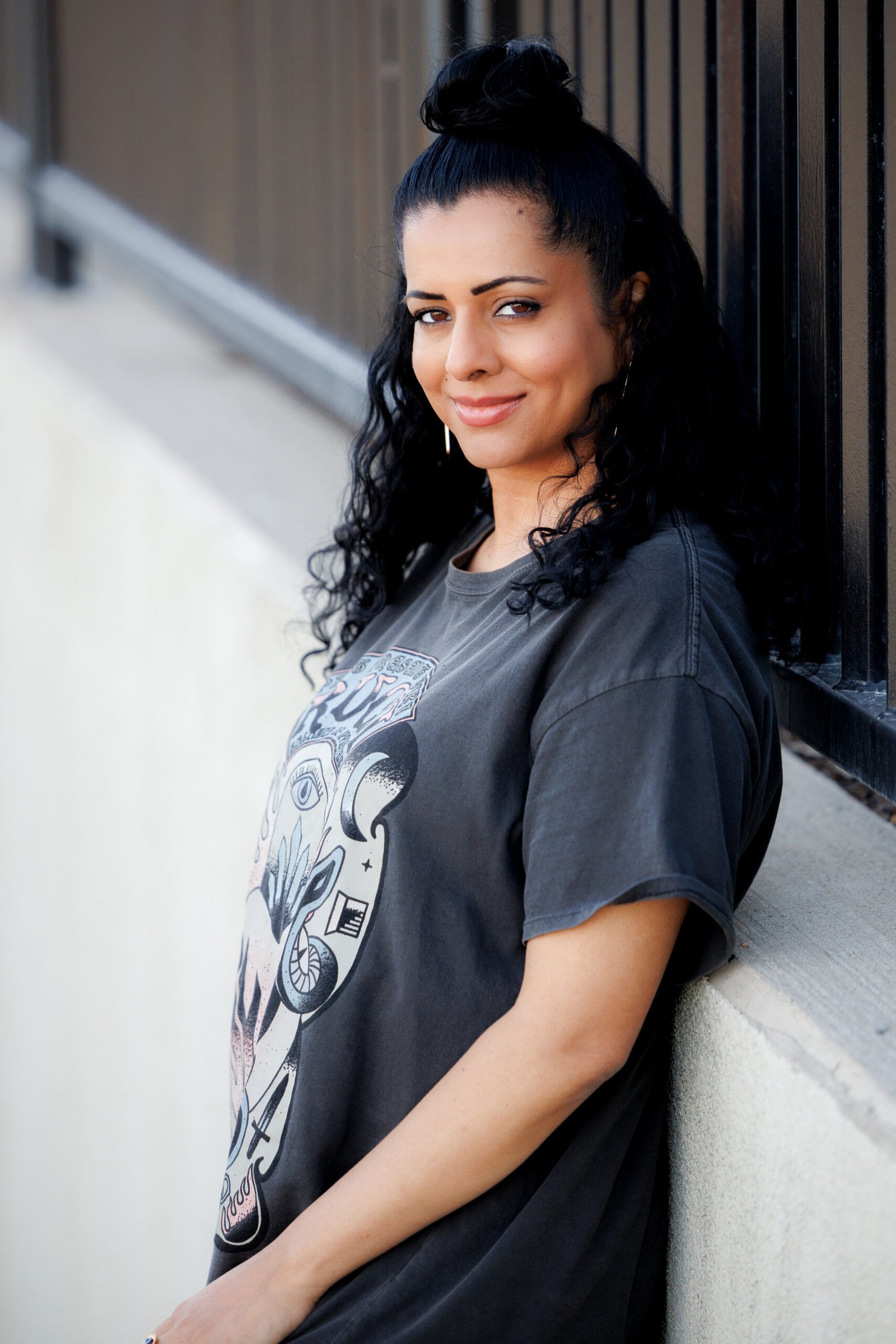
You originally created a rework of Safiya’s ‘First Light’. What was it about the original track that made you want to reinterpret it?
A few years ago Safiya was passing through the city playing with a band called Small Town Artillery. I went to see them perform and afterwards we all ended up at Denny’s because, as you do after a late-night show, it was pretty much the only thing still open.
Safiya and I ended up having this really deep conversation, and I told her how much I loved “First Light.” There was something about the emotion of that song that had always stayed with me. She mentioned that she’d love for us to collaborate and for me to remix it, and it was just an immediate full body yes.
I didn’t want to lose what made the original beautiful. The interesting part was figuring out how to bring it into my musical world while still allowing the heart of her song to remain. That’s eventually what became “First Light Rekindled.”
How did the idea develop from that initial rework into a two-track collaboration for WAYU Records?
Once “First Light Rekindled” was finished, WAYU immediately came to mind as a home for it.
I’d originally met Julian, the founder of WAYU, at Beat Retreat and really connected with his vision for the label and the artists he supports.
He’s genuinely invested in the artists, and I’ve always respected that. I’ve also played quite a few WAYU releases in my mixes over the years because their catalogue tends to have something a little different about it. The music doesn’t always sit inside the obvious boundaries of a genre, which I really appreciate.
When I sent Julian “First Light Rekindled,” he connected with it straight away and asked if I could create a second track so we could turn the release into an EP.
So I went back to Safiya, and she shared this beautiful unreleased acoustic song called “Already Know.” It was basically her voice and guitar, and as soon as I heard it, I knew. I thought, “Yep, that’s the second track.”
What’s interesting is that the two tracks are quite different, but together they made sense. That’s really where The Space Between started to reveal itself as an EP rather than simply a collection of tracks.
What was the creative process like behind ‘Already Know’, particularly compared with the more rhythmic approach of ‘First Light Rekindled’?
“Already Know” was a completely different energy.
“First Light Rekindled” naturally had more movement and rhythm to it, whereas “Already Know” felt like it wanted to be slower, sensual and spacious. So rather than trying to make it fit alongside the first track, I followed where it wanted to go.
There was something about Safiya’s vocal that needed room around it. I wanted the production to have depth and atmosphere without filling every space. Sometimes what you don’t add becomes just as important as what you do.
It was definitely challenging for me in the beginning, especially working with vocals that hadn’t originally been recorded with electronic production in mind. But it was a really good challenge. I learned so much through making that track, and I think it stretched me creatively in a way I needed.
Looking ahead, what are you currently exploring in your music, and are there any new directions or projects you’re particularly excited about?
Right now I’m exploring a more stripped-back side of my sound of microhouse, minimal and techno influences, with a lot of groove and polyrhythmic percussion.
Although apparently I’m also very committed to making music that doesn’t fit properly into any one genre. I’m actually enjoying that though. I’m becoming less interested in asking, “What genre is this?” and more interested in whether the track feels like me.
I’m currently working on another track for an EP that leans further into this direction, and I’m really excited about where it’s going. It feels like I’m entering another chapter of my sound rather than completely leaving behind what I’ve made before.
For me that’s the exciting part of being an artist, you don’t necessarily know exactly where you’re going. You just keep following the sounds that make you curious.
AntahKarana’s path has been shaped by curiosity, from her early experiences in the rave scene to creating immersive live experiences and developing her own approach to production. Through ‘The Space Between’, she and Safiya Labelle bring together the rhythmic movement of Organic and Afro House with a more intimate, downtempo side of their music, while she continues to explore a more stripped back, groove-led direction in her next chapter. ‘The Space Between’ is out now on WAYU Records and is available to stream and purchase here.