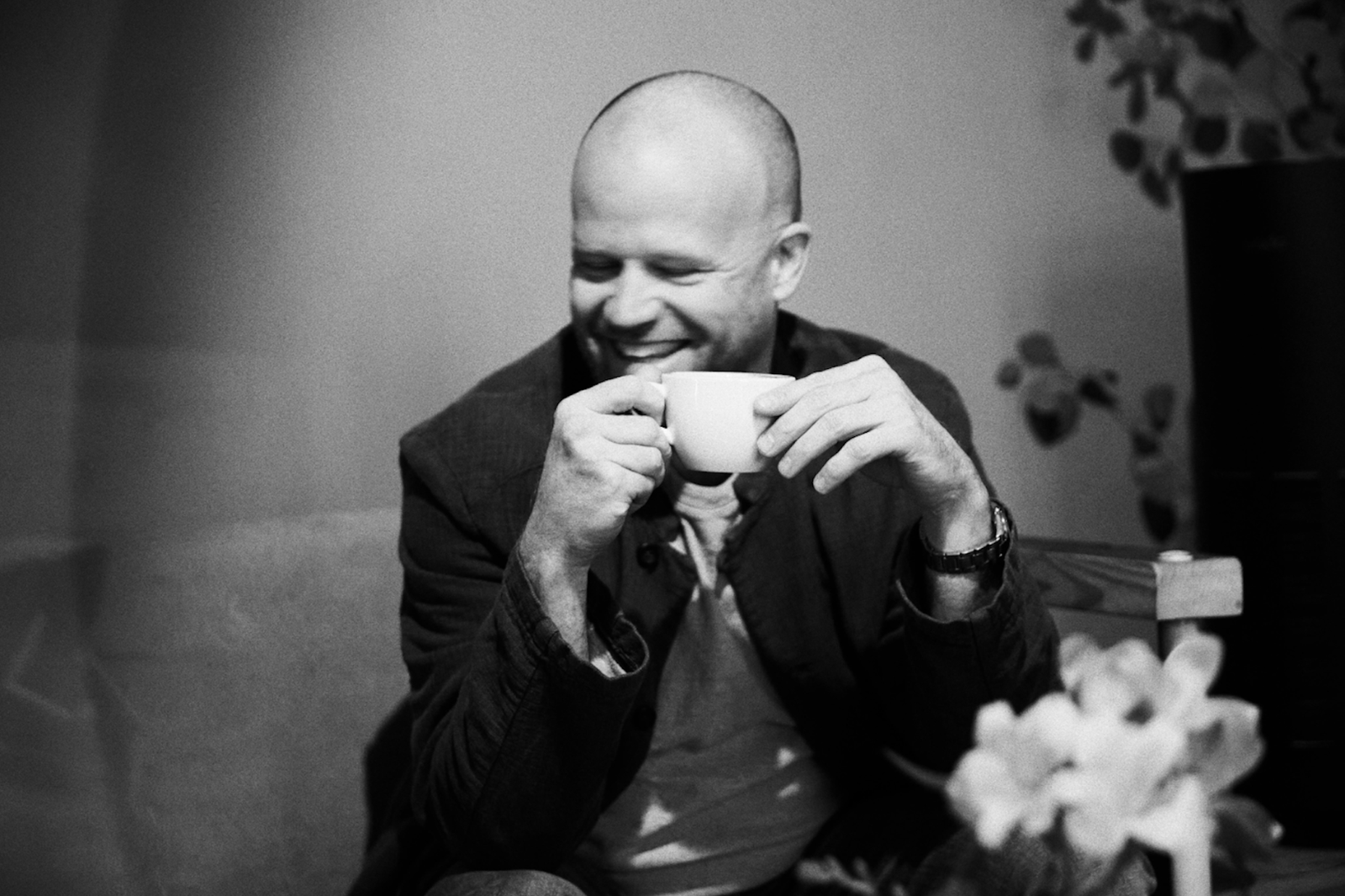
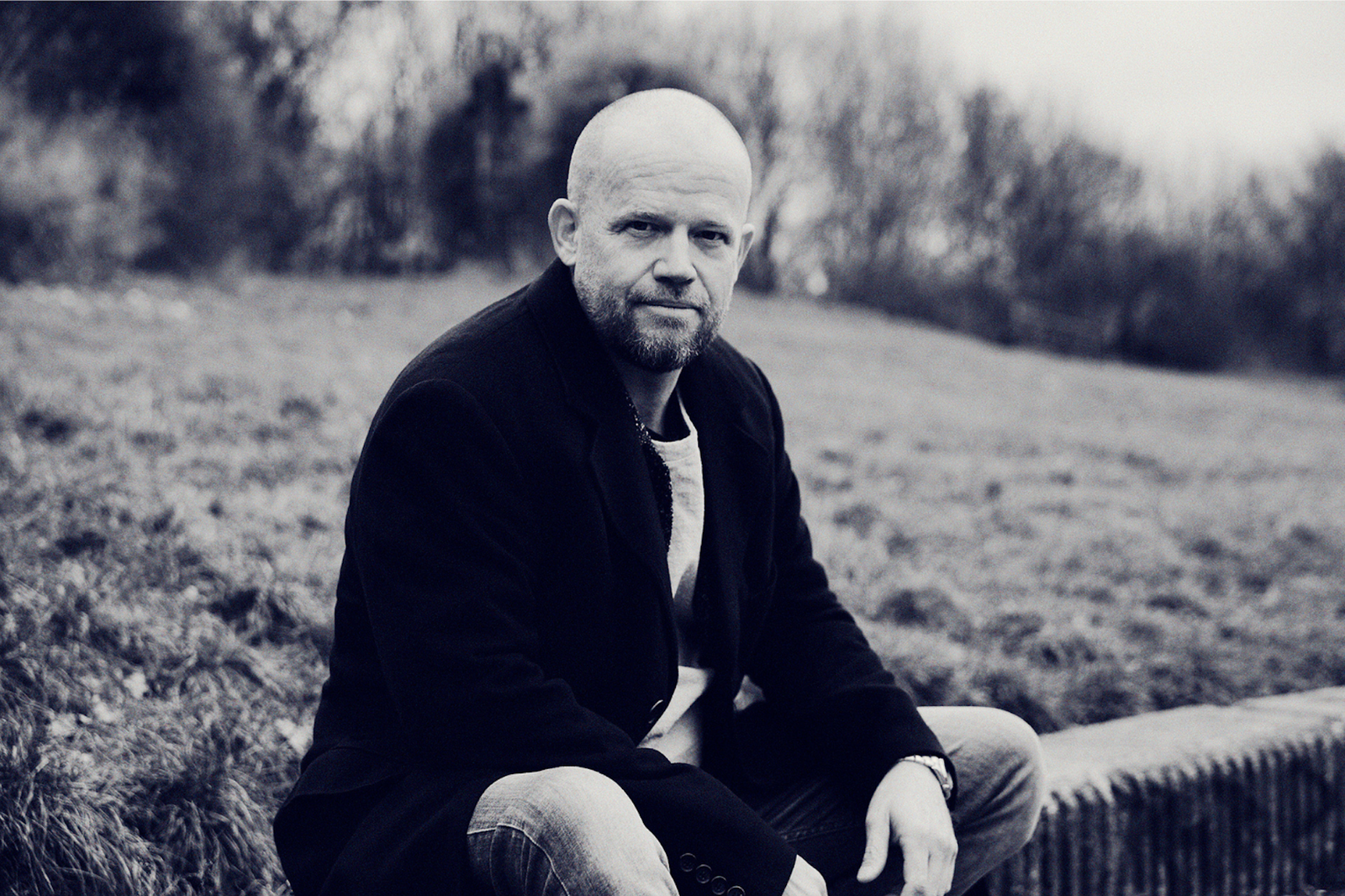
Roland Leesker has spent decades exploring the relationship between music and people, with a career rooted in House, Acid, Electro and Detroit Techno. His production history reaches back to the mid 1990s, including ‘L’Essentiel’, created with Ricardo Villalobos under the R+R project, while his later solo catalogue on Get Physical has taken in collaborations and remixes with artists including DJ Pierre, Roland Clark, Robert Hood and Terrence Parker. His experience at Delirium Records in Frankfurt in the early 1990s, alongside friendships formed through travelling to cities such as New York and Detroit, continues to shape his approach to production.
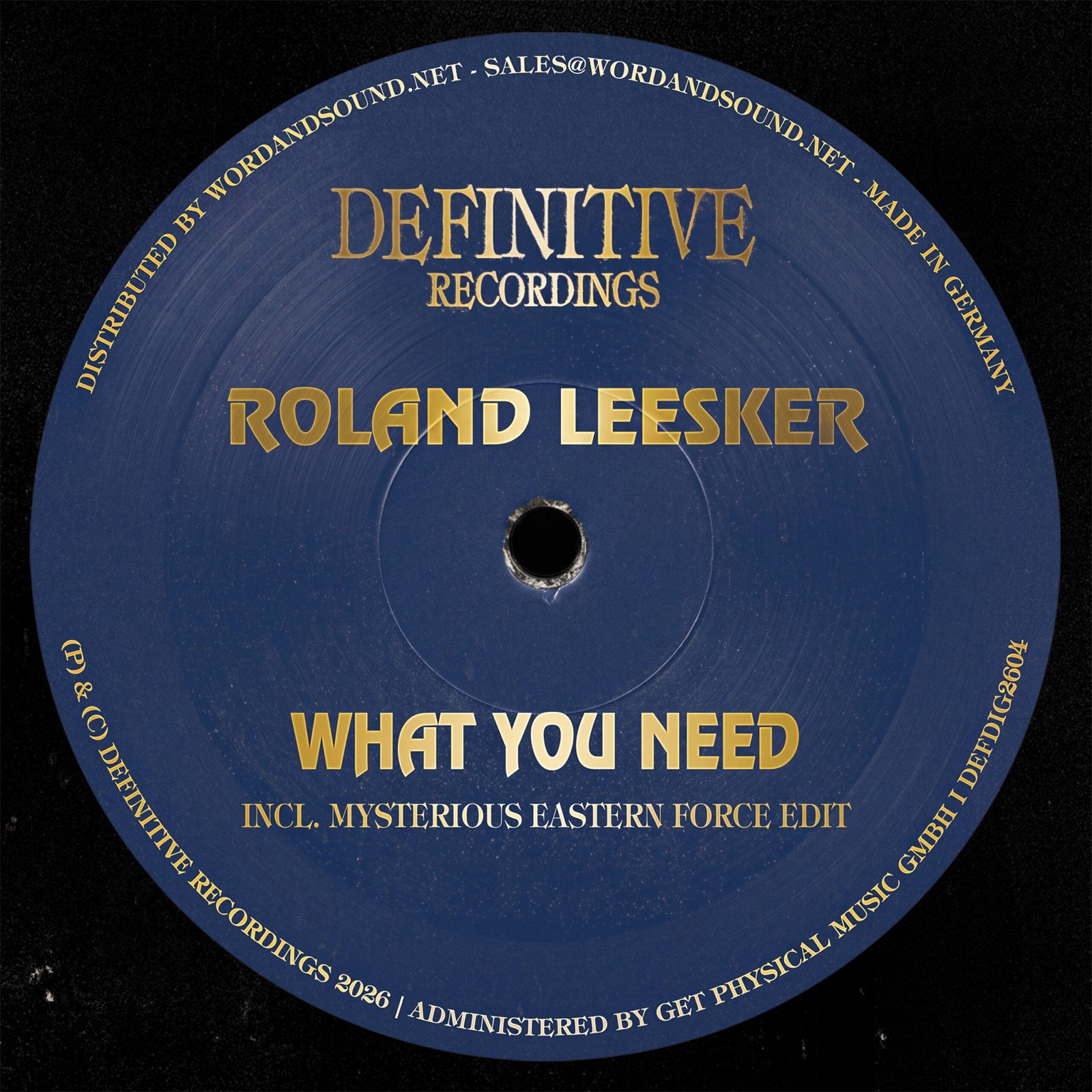
His latest release sees him rework Soft House Company’s 1990 classic ‘What You Need’ for Definitive Recordings, pairing an Original Mix with an extended edit released under a new artist moniker, Mysterious Eastern Force. Following a vinyl only release in June, both versions are now available digitally. We spoke with Roland about revisiting the track, the evolution of club culture, his approach to production and the influences that continue to shape his work.
‘What You Need’ is a record with a long history in club culture. When you approached the track, how did you decide how it could be amplified and reinvented?
Creating a cover version of a classic like this is first and foremost an exercise in craftsmanship, especially when it comes to the vocals. It is very easy to get wrong.
The original recording was no longer available to license, but I had envisioned an edit of it for a long time and really wanted to realise that idea. So I first had to recreate the track in order to produce the stems I needed for my idea of the edit. In short, the cover was the compulsory routine, while the “Mysterious Eastern Force Edit” was the freestyle.
You’ve seen club culture change from a world of vinyl and record shops to a much more digital one. What do you think we’ve gained from that change, and what do you think we’ve lost along the way?
We gained global reach and enormous growth in almost every dimension. We lost depth, sustainability and the understanding that genuine success doesn’t happen overnight.
You’ve been both a DJ and a producer for a long time. Do you still approach production with the dance floor in mind, or have there been periods when making music became completely separate from imagining where it might be played?
The dance floor is still absolutely central to the way I produce. It is deeply rooted in my genes. The bass drum is my heartbeat.
When you’re making music, do you still think about how it will work on the dance floor, or do you sometimes simply make whatever feels right to you?
For me, those are one and the same.
Looking across your tracks, there are recurring elements of early House, Acid, Electro and Detroit Techno. What is it about those sounds that continues to give you something to investigate after so many years?
I absorbed those styles almost like mother’s milk through my work at Delirium Records in Frankfurt in the early ’90s. Heiko M/S/O was both my mentor and the store’s head buyer. He practically forced me to listen to every important record that arrived, and to take them home with me. That was my real musical education.
Then, over the years and through travelling around the world, I got to know the people and driving forces behind these styles. I became friends with local communities in cities such as New York and Detroit. In a way, those connections had already been prepared through the music, long before the internet existed, and were later intensified by a genuine feeling of family.
What was the biggest challenge in recreating a track that already had such a strong identity of its own?
Treating it with respect while still trying to give it a little of my own soul and at the same time making it sound even phatter. I might try it once more with another absolute all-time favourite, but after that, I think I’ll move on to creating new original material. I’d love to draw on the warmth of artists like Miles Davis, Roy Ayers and Herbie Hancock for example, start jamming around some of their elements, and then let the flow of the machines take over.
When you are making or remixing a track, do you reach a moment when you feel it is finished, or is there always something else you could add to improve it?
That is a really good question. I think it is important to pause and take a step back, sooner rather than later. Then you return to the track and listen with fresh ears. You identify one thing that is too much and remove it. Then you repeat the process. The cutting is actually the most difficult part, because you have to cut with your heart. You really have to trust yourself.
Do you think there is something about the best House records from the late ’80s and early ’90s that is difficult to recreate today?
Yes, the culture they were created within.
You’ve worked with a wide range of artists over the years. What do you enjoy most about bringing your ideas together with someone else’s? Do you find that you work better alongside another artist or alone?
I love the moment when you enter a shared flow and your partner instinctively understands what you are feeling and vice versa. It is magic, and it doesn’t happen with everyone but I don’t think we ever truly work alone, or are even capable of it. Everything we create is shaped by other people, experiences and influences.
Is there a record you feel particularly passionate about that people may have overlooked or misunderstood?
Circles by Jazzuelle: an incredible album by the South African artist. It deserves far more attention.
For Roland Leesker, the connection between music and the dancefloor remains as strong as ever. His rework of ‘What You Need’ pays tribute to the track’s original writer, the late Claudio Rispoli, while introducing his new Mysterious Eastern Force identity to a wider audience.
With new original material already in mind, Roland continues to build on a career shaped by instinct, collaboration and a lasting connection to House music’s roots. Roland Leesker’s ‘What You Need’ is available to stream & purchase here.