
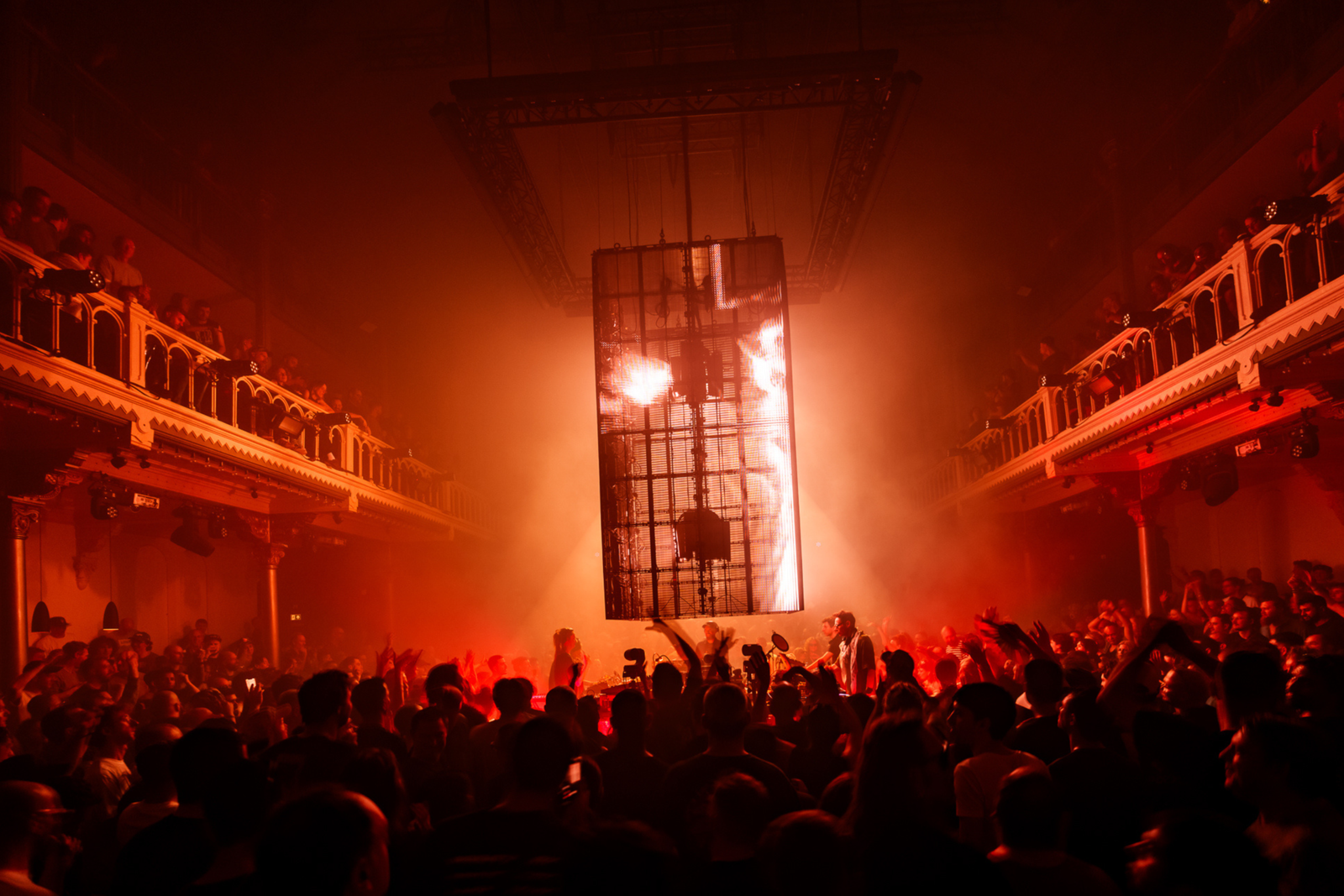
The Nighttime Culture Index compares six cities in terms of affordability, safety, gender representation and government support. The first-ever Nighttime Culture Index, developed by Amsterdam Dance Event (ADE) and VibeLab, has been released this week during the 30th edition of ADE. The index offers an unprecedented insight into the state of the nighttime culture in Amsterdam, Lagos, New York, São Paulo, Seoul and Sydney.
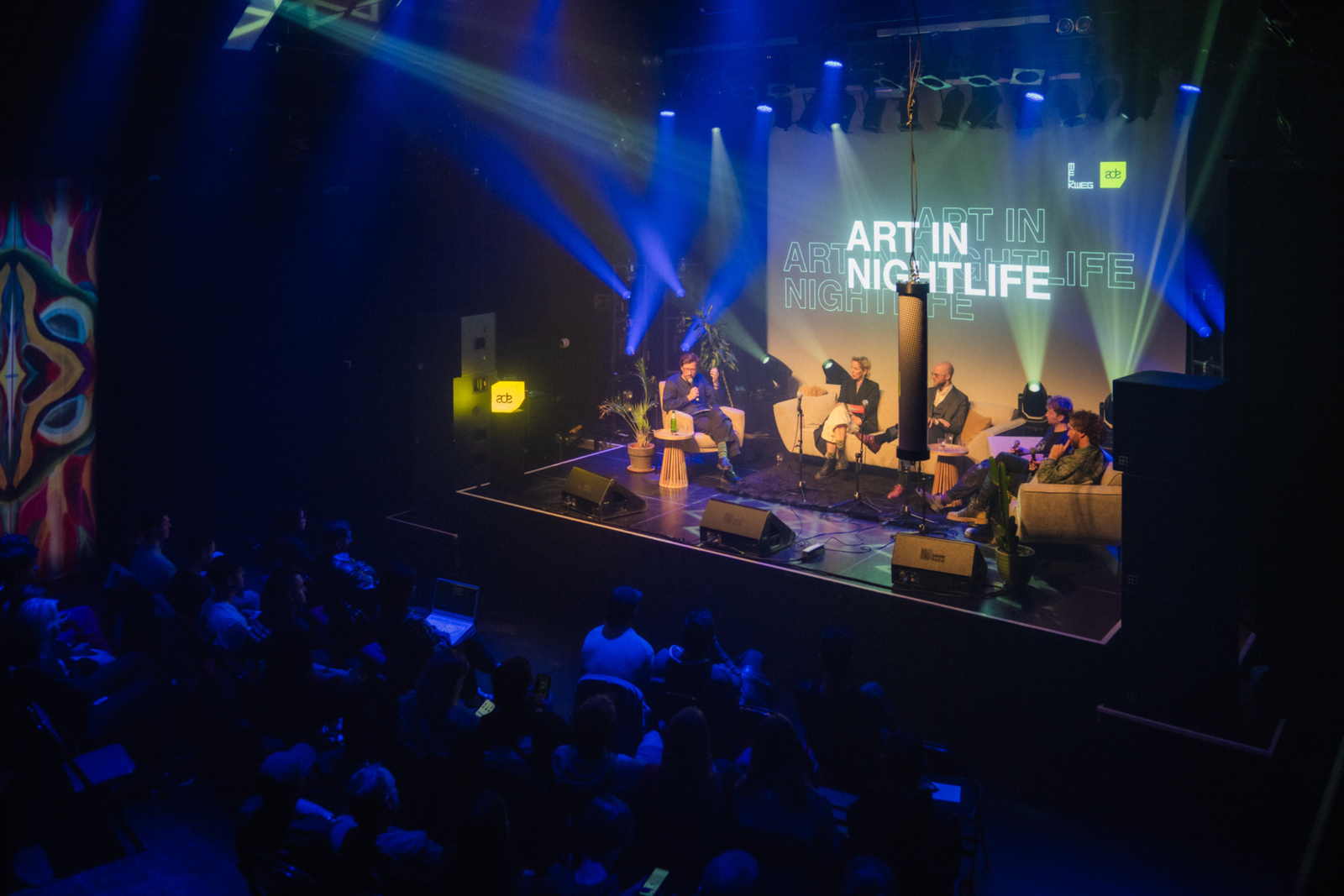
Its purpose is to serve as a tool for local stakeholders, which would enable them to better understand the state of their local scenes, spot underdeveloped areas and track changes over time. It was developed by VibeLab, with the support of local correspondents. The research covers six areas of nighttime culture: Creative Ecology, Space & Infrastructure, Diversity & Representation, Community & Belonging, Policy & Civic Health and Sustainability & Environment. Within these six areas, 30 indicators were selected, which were used to assess the state of the local scenes. The research consisted of desk research, stakeholder interviews, quantitative analysis, public surveys, and focus groups. Over 12 000 event line-ups have been analysed, 3000+ venues scored, and nearly 30 000 cultural events reviewed. Moreover, 700+ surveys have been completed, 67 focus groups conducted, and 14 experts interviewed for this report.
The financial cost of going out
One of the most interesting findings of the report concerns the financial accessibility of clubbing in the cities included in the report. In Sydney, a night at the club costs the same as 1 hour of the minimum wage, whereas in Amsterdam, it costs 1.3 hours, in Seoul 1.7, and in New York 1.8. Clubbing in São Paulo costs 9 hours of the minimum wage, and in Lagos 25 hours. Notably, none of the cities included transportation, alcohol, and other expenses.
Moreover, the number of venues in the cities differs significantly. In Amsterdam and New York, there are approximately 50 music venues for every 1 million residents, whereas in Seoul 12, in São Paulo 7, in Lagos 1. Apart from the traditional venues, the report highlights the importance of alternative venues, DIY spaces, and informal places for independent artists and collectives.
According to Jan-Willem van de Ven, Managing Director of ADE, participation is key to building a sustainable nighttime economy, and the high price of admission in many scenes should be a matter of concern to the industry.
Safety concerns impact going out
The report also finds that people generally tend to feel safer in nightlife venues than on the street. This is especially true for São Paulo 73% of respondents felt safe in venues, while only 11% felt safe on the streets. In Lagos, 74% of respondents felt safe in nightlife venues, compared to 20% in public spaces. The report also notes that such safety concerns impacted people’s willingness to go out. In particular, 84% of respondents in Lagos and 70% of respondents in São Paulo said they had avoided going out or a particular venue in the past year due to safety concerns.
Besides, the report finds that women in Amsterdam and Sydney felt much safer while traveling back home than men. In Amsterdam, 28% of women and 61% of men felt safe traveling back home after going out at night. In Sydney, 48% of women and 75% of men felt safe. The report also emphasises the importance of venues and public spaces, as safety concerns in those impact people’s decision to go out.
Gender diversity is low and needs support
The report finds that the representation of women and gender-diverse artists is between 27% and 32% across all six cities. At the same time, due to the lack of representation, they secure fewer bookings. Leadership and ownership are also significant issues, as experts in five cities rated it as underdeveloped, while those from Amsterdam and Seoul reported a worsening of the situation. Moreover, grassroots movements, alternative scenes, and queer collectives were creating safe spaces, diverse events, and innovative approaches for better well-being. Still, the burden of increased costs threatened the sustainability of those scenes.
Nightlife policies tend to promote economic growth
While Sydney, New York, Amsterdam, and Seoul have seen the emergence of dedicated nighttime offices and roles during the last few years, the Index reveals that the focus of these government bodies is on economic growth, tourism, and business development. Only Amsterdam’s 2021 vision for night culture has been set as an alternative approach to promoting the nighttime economy. At the same time, respondents from São Paulo and Seoul felt that the cultural value of nightlife was underestimated in public debates. Cultural policymakers should work closely with nightlife stakeholders, patrons, and grassroots to better incorporate their voices into the policymaking process.
VibeLab co-founder Mirik Milan notes that the vibrancy of the nighttime culture is incredibly inspiring despite the challenges of the global scene. Jane Slingo, Director Asia Pacific at VibeLab, emphasises that the release of the NCI dashboard and report highlights the importance of data in representing the voices of independent promoters, performers, and collectives. The report and dashboard aim to help local policymakers get a comprehensive view of their local nighttime culture ecosystems and serve as an essential guide to making their scenes more inclusive and sustainable.