
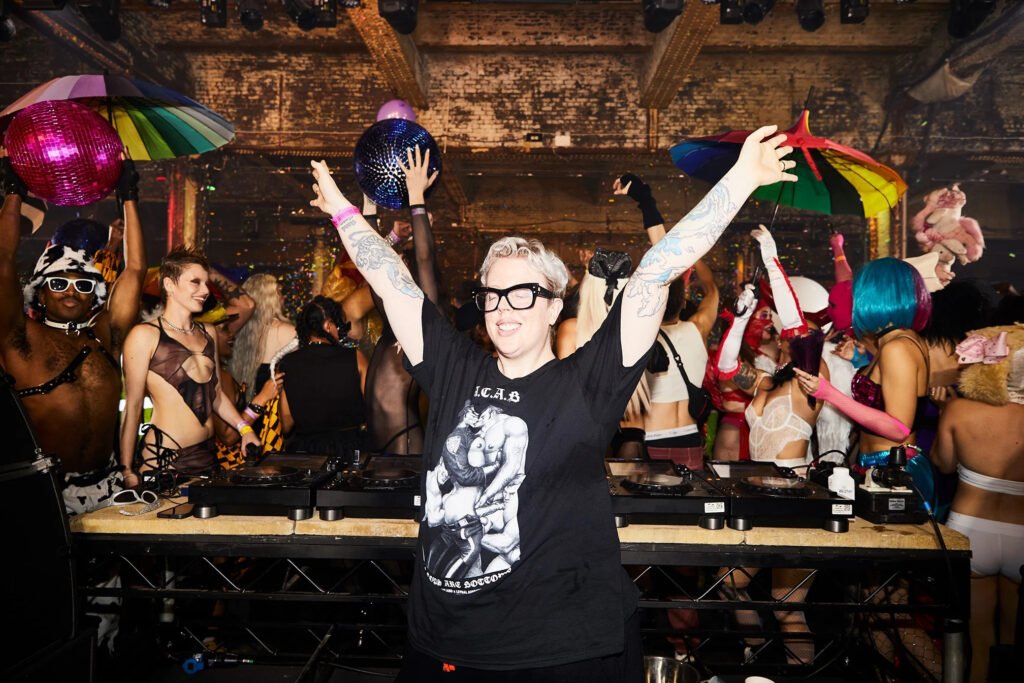
The Blessed Madonna Roisin Murphy censorship dispute has landed in the middle of a conversation the underground has been quietly having for years. This week, Irish singer Róisín Murphy addressed the UK Parliament and argued that artists now feel compelled to self-censor in order to protect themselves from cancel culture. The Blessed Madonna, real name Carey Grange, pushed back publicly, calling out Murphy’s framing in a way that cut straight to the tension many working artists feel about how that word gets used.
Murphy’s speech at Parliament drew attention well beyond the usual dance music circles. Her point was that the threat of public backlash has become so intense that artists preemptively soften or suppress their own voices before anyone else gets the chance to do it for them. It is a recognisable anxiety, and one that creative people across genres have raised in recent years. But where Murphy saw a crisis of silencing, The Blessed Madonna saw something worth interrogating more carefully.
The distinction matters. Self-censorship as a survival mechanism is not the same thing as censorship imposed from outside, and conflating the two can flatten a genuinely complicated debate about accountability, artistic freedom, and what audiences are actually asking for when they respond critically to something a public figure has said. Grange, who has built her reputation as both a selector and a cultural voice with real moral seriousness, apparently felt that Murphy’s parliamentary testimony blurred those lines in a way that deserved a response.
For artists working in underground electronic music, the artist free speech debate takes on a particular texture. These are often people operating without major label infrastructure, without PR teams running interference, and without the kind of institutional support that might cushion a public controversy. When something goes wrong online, the consequences land directly. That vulnerability is real. At the same time, the underground has its own codes around accountability, and the community has not always been welcoming of the idea that criticism equals cancellation.
The artist self-censorship debate is not going to be resolved by one exchange between two prominent women in dance music, however sharp that exchange might be. What it does do is drag into the open a friction that has been simmering for some time: between artists who feel that public life has become a minefield of potential misreadings, and those who think the response to that feeling has sometimes been used to deflect legitimate scrutiny. Murphy and Grange represent genuine positions in that argument, and the fact that it is happening at all, loudly and on the record, feels more useful than the alternative of everyone keeping their heads down.