
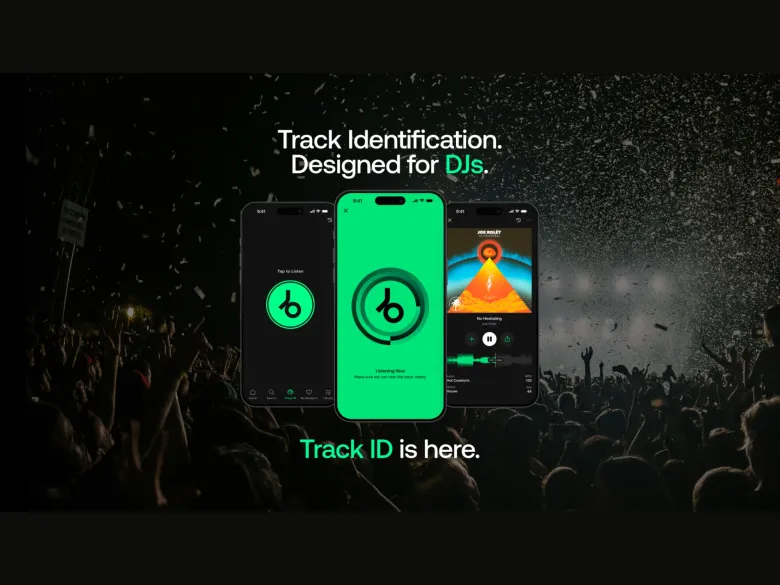
For years, the music recognition app DJs have relied on was Shazam, a tool built for pop radio listeners rather than anyone chasing a white-label dubtech cut at 3am. Beatport has now stepped into that gap with its own Track ID feature, a Shazam-style identification tool designed from the ground up for electronic music. It is a small but meaningful shift in who the technology is actually built for.
Apple’s Shazam has dominated music identification for so long that serious competition felt almost unthinkable. The app works well enough for mainstream releases, but anyone who has held a phone up in a club while a DJ plays a deep, unreleased or obscure track knows the frustration of watching it fail. Beatport’s catalogue, by contrast, is built around the exact records that Shazam tends to miss. The logic of a Shazam alternative for electronic music, rooted in a database that actually reflects the underground, is hard to argue with.
The Track ID feature sits inside the Beatport ecosystem, which already serves the DJs, producers, and label heads who are most likely to need it. When you hear something in a set and want to buy it before the weekend, that identification-to-purchase pipeline being handled inside one platform matters. It removes a step. It respects the fact that DJs think about track identification differently from casual listeners: not as a party trick, but as part of how they shop and build their crates.
The wider context here is worth sitting with. Track ID requests have been a ritual of club culture since long before any app existed, shouted at DJs, scrawled on napkins, typed into forum threads at dawn. Building a proper DJ set song finder into the platform where those records are actually sold is the kind of practical, scene-aware move that should have happened sooner. Beatport has historically been best positioned to do it, and the question was always when rather than whether.
For producers releasing on underground labels, a more accurate identification tool also carries real value. If your record gets played and someone can finally identify it on the spot, that is a direct line between exposure and revenue that previously leaked away whenever Shazam drew a blank. A reliable track identification underground tool helps working artists as much as it helps curious listeners.
Whether the feature performs as well in a loud room as it does in a demo is the real test. Shazam’s years of acoustic fingerprinting data give it an edge in raw recognition performance, and Beatport will need its catalogue depth to compensate for whatever gap exists in that area. But the intent is right, the audience is right, and the catalogue fit is stronger than anything a general-purpose app can offer. That is a genuinely solid foundation.