
Where playlists matter as much as plating, and the right track can change how your martini tastes.
No one sets out looking for a “curated experience.” The phrase alone suggests friction, something overthought, overdesigned, slightly exhausting. And yet, in certain corners of London right now, you find yourself deep inside one anyway. Not because it is forced, but because everything just works.
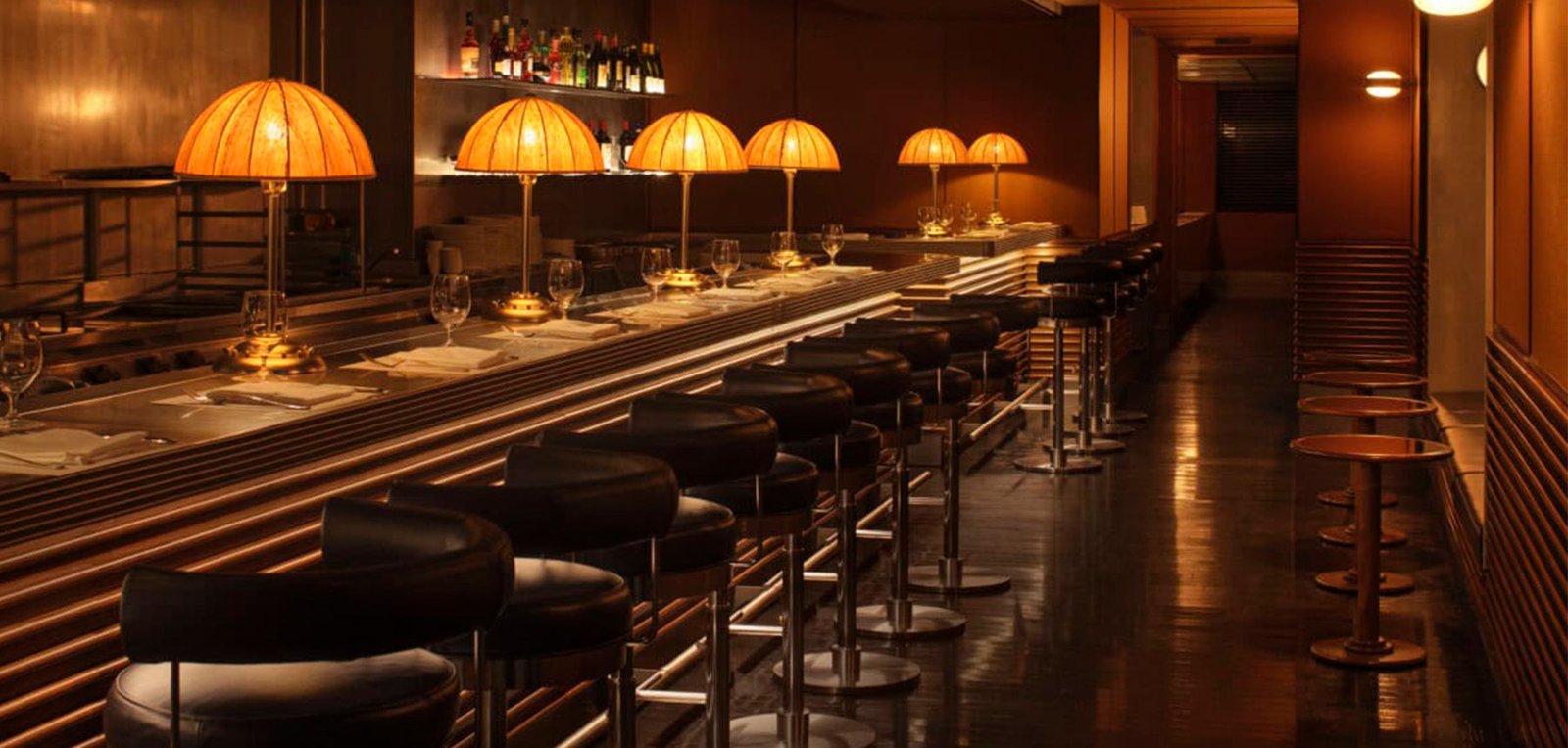
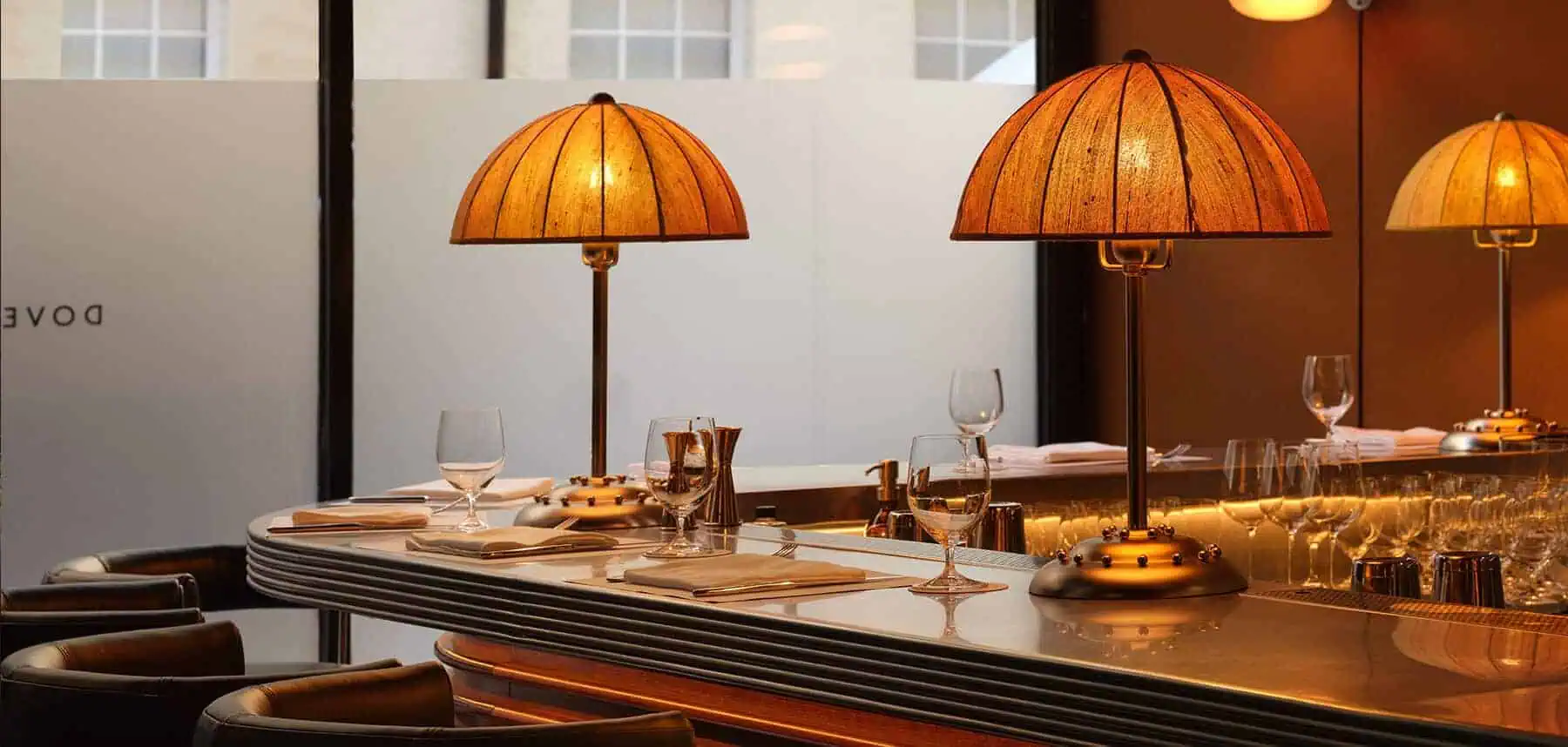
At Dover Street Counter, the shift happens quietly. One drink becomes two, then three. Conversations stretch, soften, then sharpen again. The room hums with intention. Somewhere between the low lighting, the polished steel counter, and a perfectly placed ’90s R&B track, the night opens up.
This is not about spectacle. It is about calibration.
Across London, restaurants are beginning to think like producers. Plates are no longer the sole focus; the room itself is being composed. Sound, once background filler, is now treated like an ingredient, layered carefully into the experience. At Dover Street Counter, that ingredient is unmistakable: a continuous stream of ’90s R&B. Not a gimmick, not a throwback theme, but a deliberate emotional through-line.
Founder Martin Kuczmarski built it from instinct before anything else. The menu came first, then the mood. The playlist followed, tested not in a studio, but in his own living room, Sunday after Sunday, watching how people responded without being told to.
Nothing here announces itself. You simply feel it working.
There is science beneath the seduction. Research from institutions like the University of Oxford Crossmodal Research Laboratory has shown that sound directly alters flavour perception. High frequencies can enhance sweetness. Bass tones deepen bitterness. Even texture is affected. A crisp sound can make food feel fresher, while noise can dull complexity.
This is not abstract theory. When British Airways realised cabin noise was flattening the taste of its meals, it redesigned entire menus to compensate. So when a warm R&B bassline moves through a room like Dover Street Counter, it is not just setting a mood. It is subtly reshaping how a margarita lands, how richness unfolds, and how long you stay.
Kuczmarski’s approach sits in contrast to London’s more overt listening bar culture, places like Brilliant Corners or Bambi, where sound takes centre stage and diners lean in as much to hear as to eat. Dover Street Counter operates differently. Here, music is not the headline act. It is woven into the structure of the night, shifting tempo between lunch and late evening, adjusting volume and bass with the room’s energy.
It behaves less like a performance and more like choreography. When sound dominates, you notice it. When it is done right, you simply order another drink. What is happening here reflects a broader recalibration in hospitality. Restaurants are no longer just visual or culinary spaces. They are sensory systems.
Sound interacts with taste. Lighting affects pace. Materials influence how conversations carry. Even spatial layout, counter versus table, changes how energy moves through a room. At its best, this is not about control. It is about permission. Permission to linger, to relax, to let the night unfold without checking the time.
Dover Street Counter gets that balance right. It feels polished, but never rigid. Intentional, but never forced. What makes sonic dining resonate is not novelty, but familiarity, refined. A great song. A dim room. A drink that lands perfectly.
Behind that simplicity is precision.
London did not invent the relationship between music and food. What it is doing now is refining it, treating atmosphere not as decoration, but as design. And in places like Dover Street Counter, that design does not demand attention. It earns your time.