
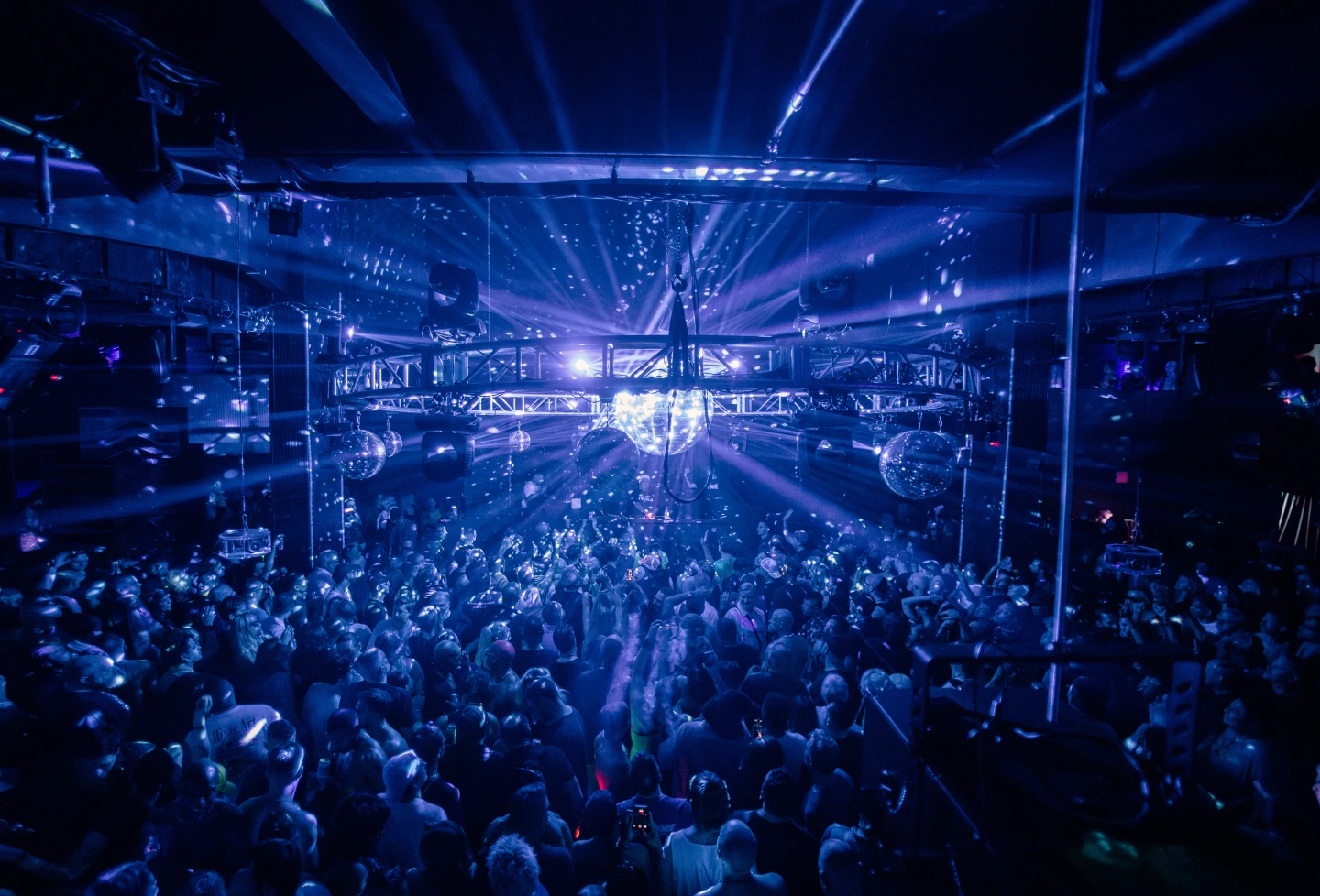
For two nights in March, a name that once defined New York nightlife flickered back into existence. Twilo, the Midtown club that helped shape late ’90s dance culture, reopened its doors after 25 years. Tickets disappeared almost instantly. Phones were reportedly off-limits. And for a moment, the city stepped back into a version of itself that no longer quite exists.
To understand why it mattered, you have to rewind. Before Brooklyn became nightlife’s default setting, Manhattan was still the centre of club culture. Twilo sat within a lineage that included spaces like Paradise Garage and the Sound Factory, carrying forward a tradition of marathon sets, obsessive sound design and dancefloors built for endurance rather than spectacle.
At its peak, Twilo was less about aesthetics and more about immersion. The room was famously minimal, often described as a dark box with a disco ball and little else. What defined it instead was sound. Its Phazon system became near-mythical, engineered to deliver clarity at punishing volume without overwhelming the room. DJs didn’t just play tracks, they stretched them, tested them, let them breathe. That philosophy returned, at least in spirit, for the reunion. John Digweed and Danny Tenaglia, both central to the club’s original identity, stepped back into the booth. Their sets leaned into the long-form storytelling that defined the era, where a single DJ could hold a room for hours, guiding it through subtle shifts rather than constant drops.
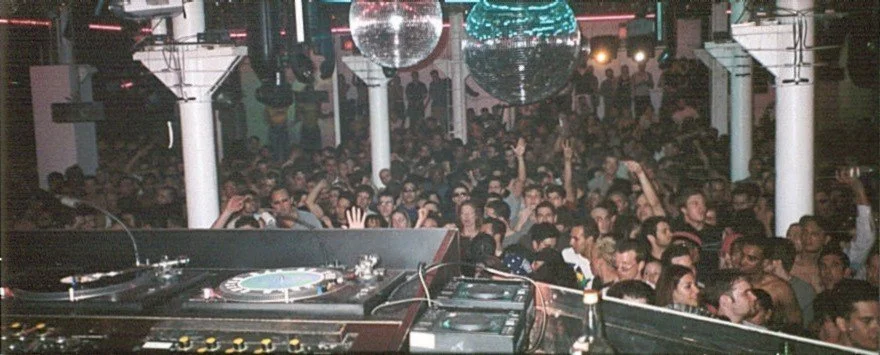
For many in attendance, it was not just nostalgia. It was recognition. The crowd was filled with people who had been there before, alongside a younger generation curious about a club they had only heard about. The dancefloor stayed full. The energy held. There was a sense that something rare was happening, even if only briefly. And yet, the weekend also revealed the limits of revival. New York has changed. The conditions that allowed spaces like Twilo to exist have largely disappeared, shaped by rising costs, shifting neighbourhoods and decades of policy that pushed nightlife out of Manhattan. The surrounding landscape now looks very different, more corporate, more controlled, less forgiving of the kind of chaos that once defined club culture.
Even inside the room, small differences surfaced. The original sound system could not be fully recreated. The hours were shorter. Certain details, once taken for granted, now felt like artefacts from another time. The illusion held, but only just. That tension is what made the reunion compelling. It was not a perfect reconstruction, nor should it have been. Instead, it functioned as a reminder of what clubbing once prioritised: time, sound and collective experience over visibility or status.
Whether Twilo returns again is still uncertain. There are hints of future events, possibly even a recurring series. But part of what made these nights resonate was their rarity. You cannot fully recreate a scene that belonged to a specific moment, shaped by specific people and pressures. What you can do is revisit the feeling, briefly, and understand why it mattered. For those who were there, Twilo did not just reopen. It resurfaced, long enough to prove that its legacy still carries weight. Then, just as quickly, it slipped back into memory, where it has always lived best.